Many people visit a dentist only when tooth pain becomes unbearable. But waiting for severe pain can sometimes allow a small dental problem to become a much bigger one.
Some symptoms require a routine dental appointment, while others need urgent dental attention. A few situations—such as severe facial swelling with difficulty breathing or swallowing—can be a medical emergency.
So, how do you know when it is time to see a dentist?
Here are 15 important warning signs you should not ignore.
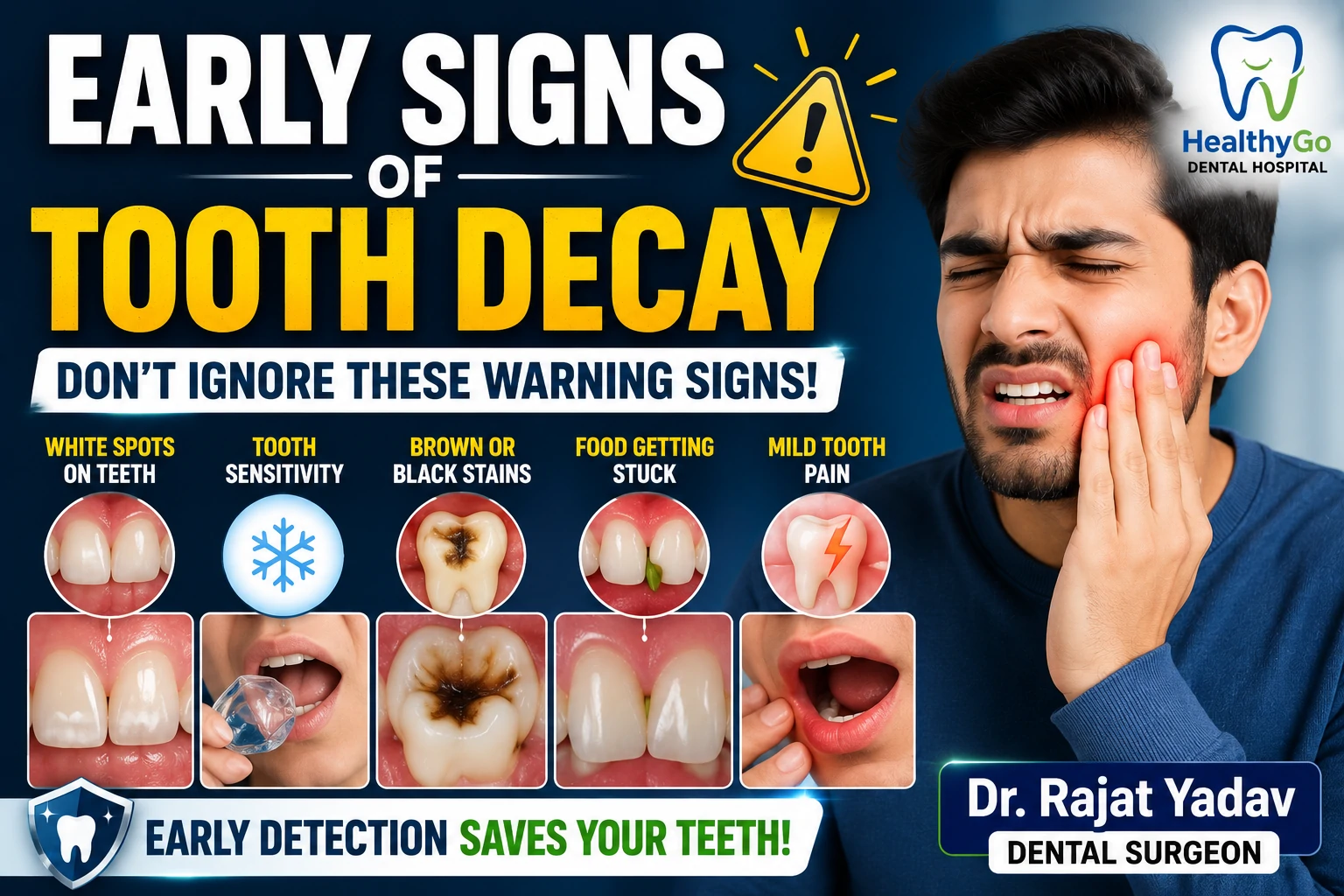
A toothache that is severe, throbbing, or continues for more than a day or two should be evaluated by a dentist.
Tooth pain can be caused by:
Pain that interferes with sleep, eating or daily activities deserves urgent attention.
Don't simply keep taking painkillers and ignore the cause. Pain relief may temporarily reduce the symptoms while the underlying problem continues.
Swelling around a tooth or gum can be a sign of infection.
You may notice:
A dental abscess is an infection containing pus and requires dental treatment. It does not reliably disappear on its own.
If swelling is spreading toward your neck, throat or eye, or you have difficulty breathing or swallowing, seek emergency medical care immediately.
Have you noticed a sudden bad taste in your mouth or fluid coming from around a tooth?
It could be related to an infection or dental abscess.
Sometimes an abscess may drain into the mouth and the pain may temporarily decrease. That does not necessarily mean the infection has gone away. The source still needs treatment.
Tooth pain combined with:
can indicate a dental infection.
A dental infection associated with fever should be assessed promptly.
This is one of the most important warning signs.
If a dental infection causes significant swelling and you are having difficulty:
do not wait for a routine dental appointment.
Go to an emergency department or seek emergency medical care immediately. Severe dental infections can sometimes spread into deeper tissues of the head and neck and compromise the airway.
A knocked-out permanent tooth is a dental emergency.
Time matters because prompt treatment may improve the chance of saving the tooth. Professional guidance recommends getting emergency dental care as soon as possible.
If possible:
Never put a knocked-out baby tooth back into the socket.
A cracked or badly broken tooth should be examined by a dentist, especially if you have:
A crack can sometimes extend deeper into the tooth and may allow bacteria to reach the pulp.
Don't try to repair the tooth yourself.
Some bleeding can occur after dental procedures or an injury. However, heavy bleeding that does not stop with appropriate local measures requires urgent attention.
Uncontrolled oral bleeding is considered a dental emergency.
If bleeding is heavy or accompanied by significant facial injury, seek emergency medical care.
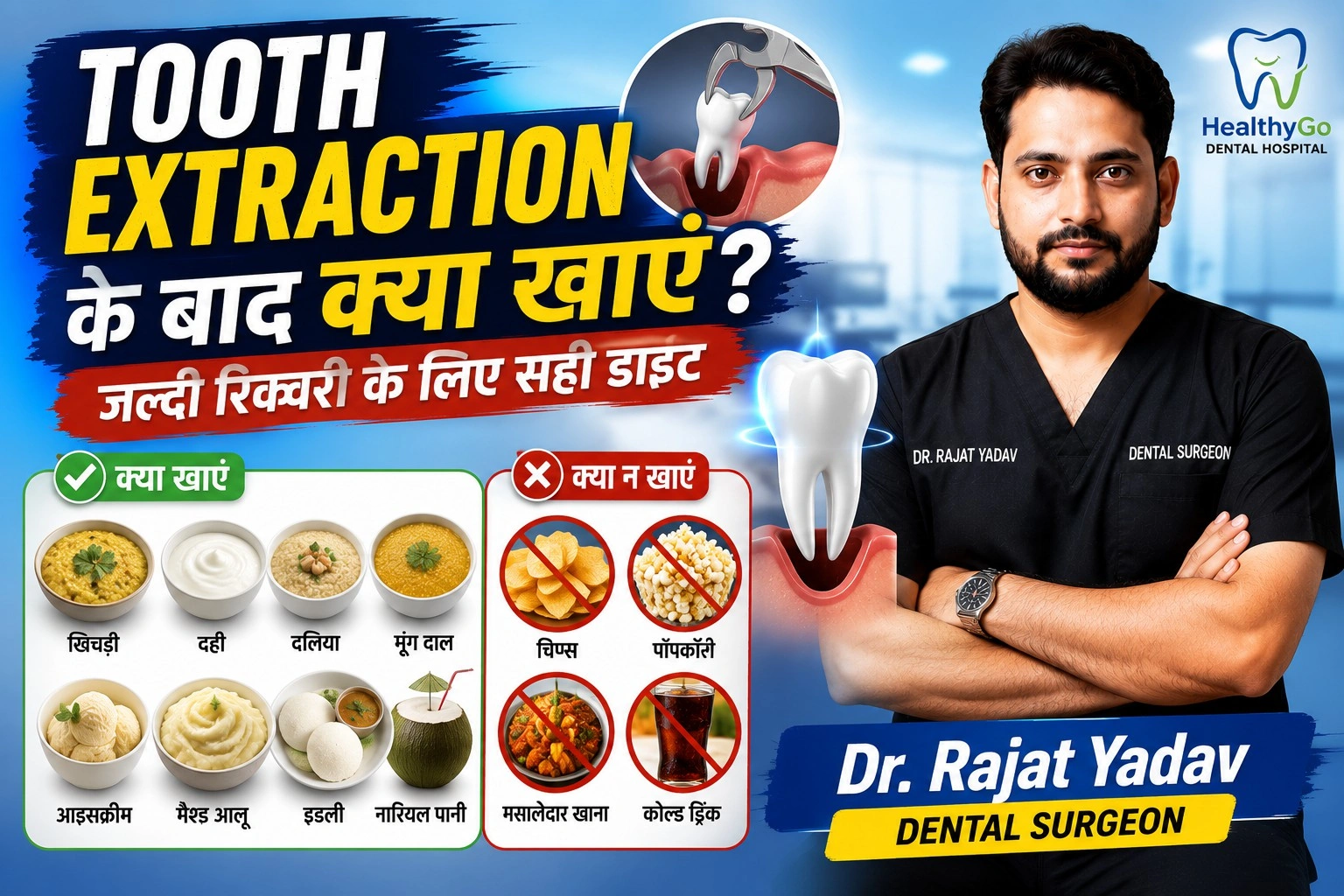
Some discomfort after extraction is normal.
However, contact your dentist if you develop:
Severe pain after an extraction can sometimes indicate a complication that requires professional assessment. Urgent dental guidance specifically includes severe pain or bleeding following tooth removal.
Most ordinary mouth ulcers heal within a couple of weeks.
However, a sore, ulcer, lump, red patch or white patch that does not heal, becomes larger or keeps returning should be examined.
A mouth ulcer lasting more than two weeks deserves professional assessment.
This does not mean that every persistent ulcer is cancer. There can be many causes. But persistent changes should not be ignored.
A small amount of bleeding while brushing should not simply be considered "normal."
Repeated gum bleeding can be associated with gum inflammation and periodontal disease.
See a dentist if you notice:
Severe or rapidly worsening gum problems require more urgent evaluation.
Adult teeth should not normally become loose.
A loose permanent tooth may be associated with:
The earlier the cause is identified, the better the opportunity to manage the problem.
Do not wait until the tooth falls out.
Occasional mild sensitivity can have relatively simple causes, such as enamel wear or gum recession.
But severe, persistent or lingering sensitivity—especially in one particular tooth—should be checked.
It may be associated with:
If cold or hot sensitivity continues after the stimulus is removed, make a dental appointment.
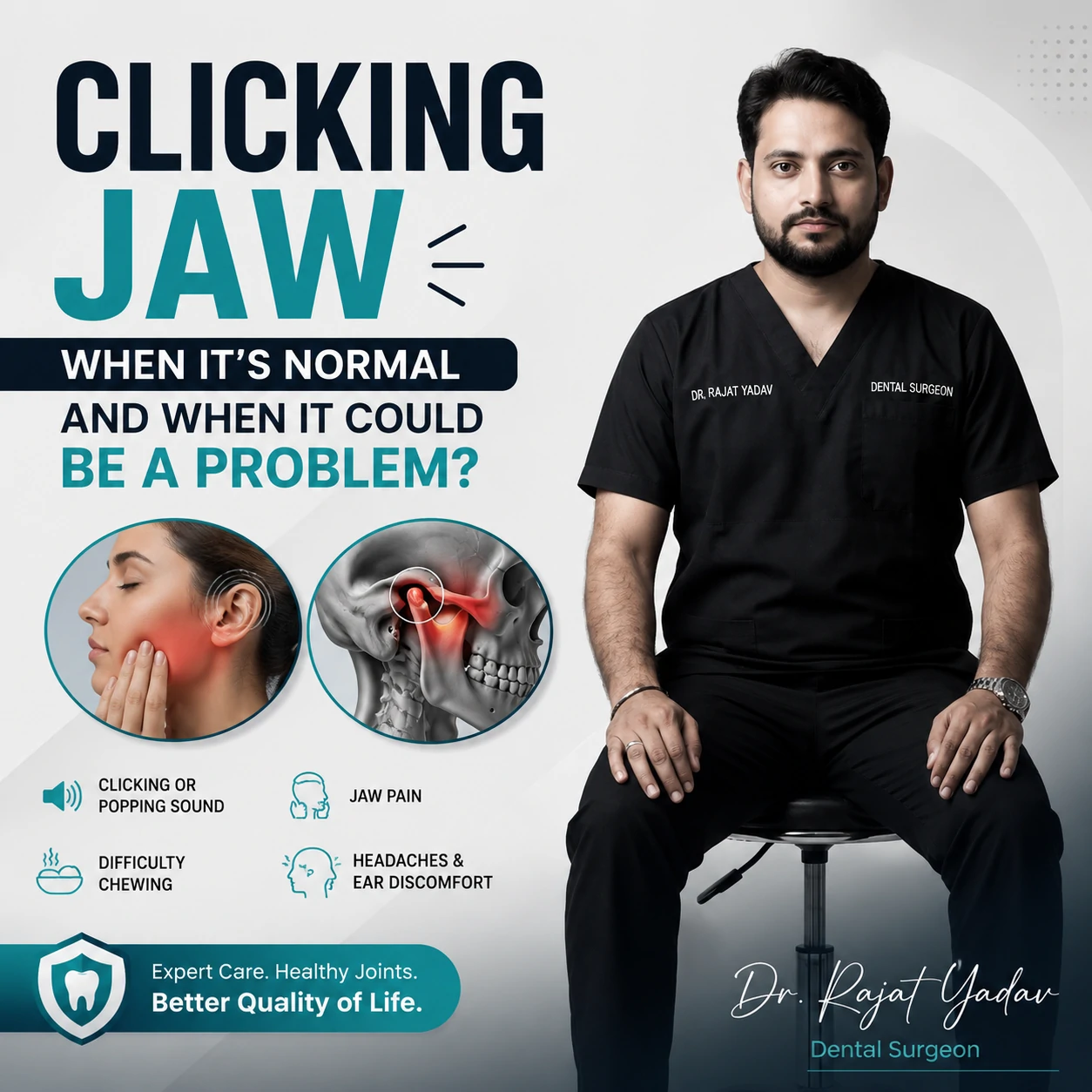
If you suddenly have difficulty opening your mouth, chewing or moving your jaw, particularly along with swelling or tooth pain, don't ignore it.
Possible causes include:
Difficulty opening the mouth together with significant facial or dental swelling can require urgent assessment.
Wisdom teeth can cause problems when they are:
If you repeatedly experience pain or swelling around your wisdom tooth, don't keep treating the symptoms at home.
A dentist can examine the tooth and use appropriate imaging to determine whether monitoring, treatment or extraction is appropriate.
It's useful to understand the difference between an urgent dental problem and a medical emergency.
These problems should not be unnecessarily delayed.
These situations can potentially threaten the airway or indicate a more serious infection or injury.
If you have dental pain but are waiting for an appointment:
Painkillers can help manage symptoms temporarily, but they do not remove the underlying cause of most dental infections.
Many dental emergencies can be reduced through preventive care.
🦷 Brush twice a day with fluoride toothpaste.
🦷 Clean between your teeth regularly.
🦷 Limit frequent sugary snacks and drinks.
🦷 Don't use tobacco.
🦷 Wear appropriate protection during contact sports.
🦷 Don't use your teeth to open packets or bottles.
🦷 Have regular dental check-ups.
Early detection often means simpler treatment.
One of the biggest dental mistakes is:
"Abhi pain nahi hai, toh problem serious nahi hogi."
This is not always true.
Some cavities, gum problems and dental infections can develop with few symptoms initially. By the time severe pain or swelling appears, the treatment may be more extensive.
A routine examination can sometimes identify a problem before it becomes an emergency.
At HealthyGo Dental Hospital, patients can undergo comprehensive dental evaluation for problems ranging from toothache and cavities to gum infections, wisdom tooth problems and dental trauma.
Depending on the clinical situation, diagnosis may include:
The treatment recommended depends on the individual patient's condition and clinical findings.
If toothache persists for more than a day or two, or is severe or worsening, you should arrange a dental assessment rather than continuing to self-medicate.
No. A dental abscess requires professional treatment. Even if it drains and the pain decreases, the infection may still be present.
It can be. Significant or spreading swelling requires urgent evaluation. If it causes difficulty breathing or swallowing, seek emergency medical care immediately.
Yes. Seek dental care as soon as possible because prompt treatment can affect the chance of saving the tooth.
Yes. Regular examinations can identify problems that may not cause symptoms in the early stages.
© 2025 HealthyGo Dental Hospital