By HealthyGo Dental Hospital
Brushing your teeth twice a day is one of the best habits for maintaining good oral health. However, many patients visit our clinic with the same concern:
"Doctor, I brush every morning and night, so why do I still have cavities?"
The answer is simple: Brushing alone cannot completely prevent tooth decay. Dental cavities (dental caries) develop due to a combination of bacteria, diet, saliva, oral hygiene practices, and individual risk factors. According to research from Indian dental institutions, dental caries remains one of the most common oral diseases in India despite increased awareness about brushing.
Let's understand the possible reasons in detail.
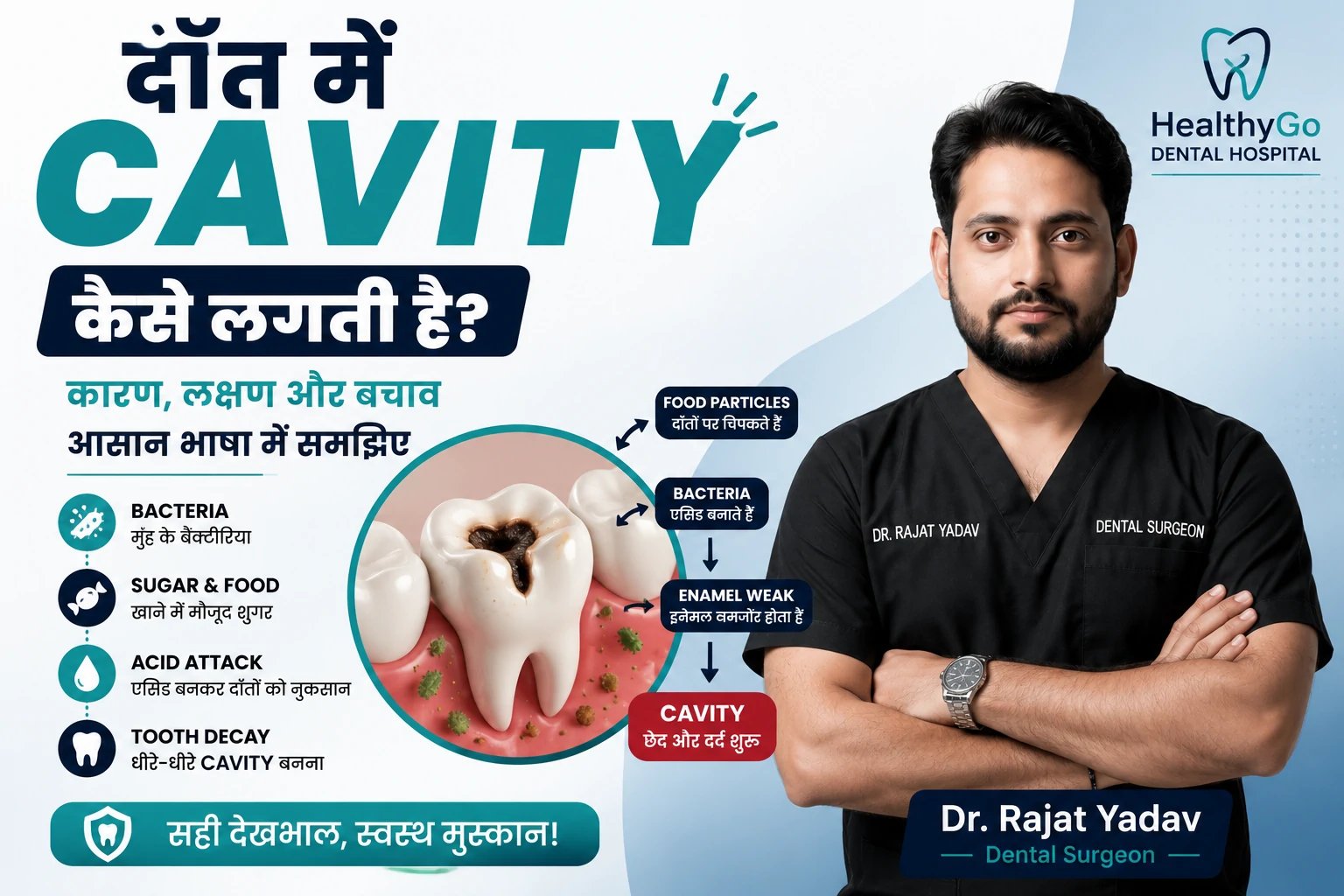
A cavity develops when bacteria naturally present in the mouth feed on sugars and carbohydrates from food. These bacteria produce acids that slowly dissolve the protective enamel layer of the tooth.
If this acid attack continues repeatedly, the enamel weakens and eventually develops a hole called a cavity.
Brushing removes plaque, but if other risk factors continue, cavities can still form.
Many people brush for only 30–40 seconds or focus only on the front teeth.
Common mistakes include:
A proper brushing session should:
The quality of brushing matters more than simply brushing twice daily.
A toothbrush cleans only about 60% of the tooth surface.
Food and plaque remain trapped between teeth where cavities commonly begin.
These hidden areas require:
Many cavities seen by dentists actually begin between adjacent teeth where brushing cannot reach.
One of the biggest causes of cavities is how often you eat, not just how much sugar you eat.
For example:
Every sugary snack creates an acid attack lasting approximately 20–30 minutes.
If you snack every hour, your teeth remain under acid attack almost the entire day.
Your enamel never gets enough time to recover.
Many patients proudly say:
"Doctor, I don't eat chocolates."
Yet they consume:
Even these foods can increase cavity risk.
Remember:
Bacteria love all fermentable carbohydrates—not only chocolates.
Saliva is your mouth's natural defence system.
It:
If saliva production decreases, cavity risk increases significantly.
Common causes include:
Patients with dry mouth often develop multiple cavities even with regular brushing.
Fluoride strengthens enamel and helps reverse early decay.
The Indian Dental Association recommends brushing twice daily with an appropriate fluoride toothpaste as a key preventive measure.
Common mistakes include:
For most adults, a pea-sized amount of fluoride toothpaste is sufficient.
Night brushing is more important than morning brushing.
During sleep:
If food remains on your teeth overnight, the risk of cavities increases considerably.
Some individuals naturally have:
This does not mean cavities are unavoidable, but these people require extra preventive care.
Grinding or clenching teeth (bruxism) can wear away protective enamel.
Once enamel becomes thinner, teeth become more vulnerable to decay and sensitivity.
Signs include:
Old or damaged dental work can trap bacteria.
Examples include:
These areas often become hidden sites for decay.
Patients wearing braces need additional care because brackets and wires trap food.
Special cleaning aids include:
Many cavities begin silently.
Early decay:
Regular dental visits every six months allow early treatment before a cavity becomes large or requires a root canal.
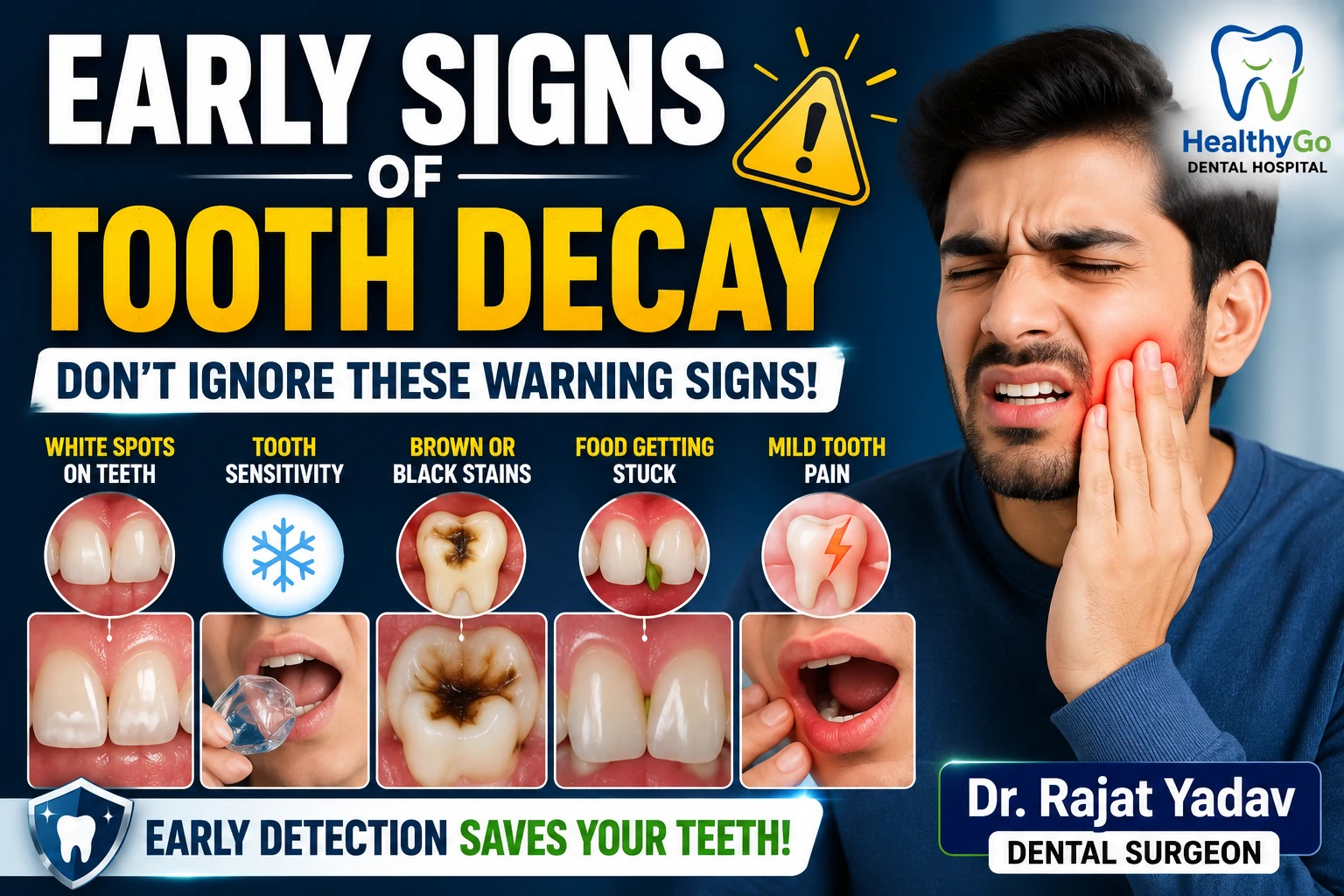
Watch for:
Even if there is no pain, consult your dentist if you notice any of these signs.
Follow these evidence-based habits:
No. Brushing is essential, but diet, fluoride use, flossing, saliva, and regular dental check-ups are equally important.
Yes. Sugary tea, biscuits, bread, packaged juices, sweetened beverages, and frequent snacking can all contribute to tooth decay.
Everyone has different levels of saliva protection, tooth anatomy, oral bacteria, and genetic susceptibility. Good fortune in one person does not make it a healthy practice.
Very early enamel lesions may be arrested or remineralized with fluoride, improved oral hygiene, and dietary changes. Once a cavity forms a hole in the tooth, it requires professional treatment.
Brushing twice daily is a great start—but it is only one part of cavity prevention. Your diet, brushing technique, fluoride exposure, saliva, flossing habits, and routine dental check-ups all work together to protect your teeth.
If you're brushing regularly but still getting cavities, it's time for a comprehensive dental evaluation to identify the underlying cause rather than simply treating the decay.
At HealthyGo Dental Hospital, we focus on identifying why cavities occur so we can help you prevent future dental problems—not just fill existing ones.
© 2025 HealthyGo Dental Hospital